



You probably think mini loader hire is only for tradies or construction crews, until suddenly you’ve spent two full days moving dirt with a shovel and a wheelbarrow and you are really wishing you hadn’t gone down that route. It usually starts off with a prized backyard project looking doable on paper. Maybe it’s a new fence, a garden makeover or clearing the soil before laying some patio stones. Nothing too dramatic & we know what probably happens next the first few hours tick by, your back starts to ache and all of a sudden that ‘small project’ has turned into something way bigger than you ever wanted it to be. That is normally the moment people start looking at mini loaders in a much better light.
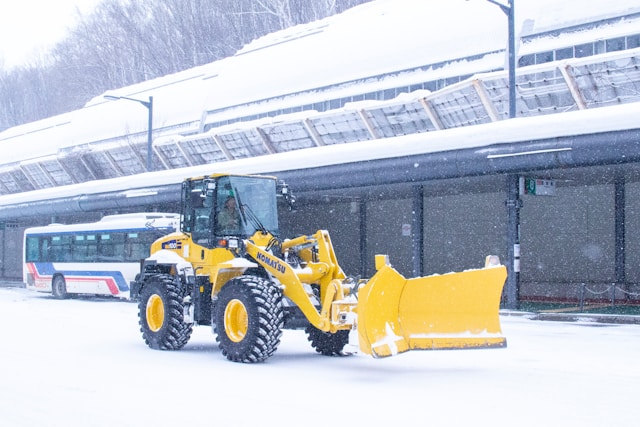
The job looked small until the wheelbarrow brought it all crashing down
A mate of mine once decided to level his backyard for a small outdoor entertaining area. At first, he thought hiring machinery would be completely unnecessary. He had planned everything out. A shovel, a skip bin to rent, maybe some help from a mate for half a day and he was done. Except it wasn’t even close to working out that way. The tight access to his backyard made moving soil an absolute laborious nightmare. Every load had to be manually pushed through a narrow pathway. After two hours, he had barely even scratched the surface of getting the yard levelled. And then something interesting happened Instead of asking “how much does a mini loader cost?” the first question suddenly became “how much is this delay costing me?” And that changes the whole equation In Australia, a mini loader hire cost is usually around $250 to $350 AUD for a 24-hour period. At first glance, some people might be put off by the cost because they look at it as being able to do the job manually for no cost at all. But once you start adding up the physical labour, lost time & extra clean up, the machine often proves to be the far more sensible option. And the thing is, this is the bit most people completely fail to factor in properly
Most people think they need a special driver’s licence
This fear of needing a complicated driver’s licence is what often puts people off before they’ve even started looking into getting a mini loader. There is this whole idea that operating a mini loader must require some sort of complicated certification or commercial operators’ ticket. But the truth is that for pretty much every standard DIY project across most of Australia, none of that is needed. Rental companies just want you to be 18 and show some photo id and that is about it. The machines themselves are designed to be pretty straightforward to use, especially for residential work. Of course, safety still comes first and you need to read manuals before you start.
The controls can look intimidating but once you get moving they make sense
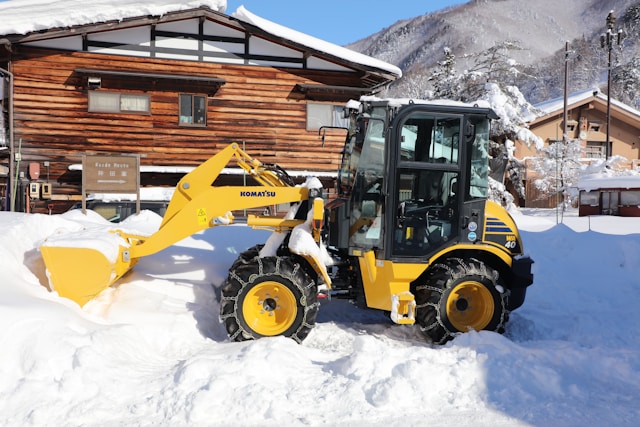
Watching a mini loader from a distance makes it look a lot more complicated than it actually ends up being. But then you step onto one and suddenly all of a sudden it makes perfect sense. Most standard mini loaders use pretty simple controls. Two levers control moving back and forwards & turning, and a separate joystick handles the bucket and boom functions like lifting, lowering scooping & dumping. To be fair, when you read it all online it sounds a lot more technical than it actually is in practice. Most people tend to pick up the basics pretty quickly with just a short walk-through at the depot.
The real power lies in the attachments, not the machine
There’s a sneaky way that mini-loaders end up being much more useful than people give ’em credit for. Most first timers who rent one have this idea in their head that they’re hiring “a small digging machine”. Not quite. What they’re actually hiring is a platform that can get the job done in tons of different ways without needing a load of different gear. A standard 4-in-1 bucket already does a bunch of stuff. You can grab things, scrape things, move heavy bits around, and level stuff. But then the attachment options start popping up and suddenly you’ve got a whole new set of possibilities. Need to stick some fence posts in the ground? Throw an auger on the back. Want to lay irrigation pipes? Hitch up a trencher. Turning over old soil for landscaping? A rotary hoe changes the whole ball game. Before you know it, you’re replacing a load of different tools, trips back and forth, and sometimes even the need for a second pair of hands. That’s usually when people start to see just why pros rely on these machines so heavily.
The trailer question, it’s a thing that catches you off guard
To be honest nobody really thinks about how they’re going to get the thing transported until the day they actually need to pick it up. Then suddenly there’s a phone call saying “What vehicle are you towing with?” Mini-loaders are pretty compact but they’re bloody heavy. Most of them weigh anywhere from 800kgs to 1.5 tonnes. And then you’ve got to add on a plant trailer which weighs another 500 to 700kgs…you get the picture. The towing requirements get serious pretty quick. That’s why most rental places insist on vehicles that’ve got at least a 2.5 to 3.5 tonne towing capacity. And, surprise, people often get this one wrong. They assume their SUV can tow anything because it feels Beefy enough on the road. But towing ratings are in place for a reason and ignoring them is just asking for trouble, safety, insurance problems, and all the stress before you’ve even started your project. The smarter way is to check your towing capacity before you even think about picking it up, not the night before when it’s too late.
Then the weather comes in and screws everything up
Rain is pretty much an inevitable enemy when it comes to outdoor projects. And to make things worse, most equipment hires places don’t offer refunds if your day gets rained out. That’s a bit of a shock the first time it happens. But there’s a bit of a silver lining to all of this. Unlike what people expect, most places will let you reschedule and move the payment over to a dry day instead of losing it altogether. And once people get the heads around that, the risk doesn’t feel so bad. Still, the pros will often keep a pretty close eye on the forecast before locking in any machinery. It’s not because they’re being paranoid, but because wet ground changes everything. Access gets harder, traction gets worse, and clean-up is a right old mess. And that one weather forecast you didn’t catch can turn a good day into a total disaster.
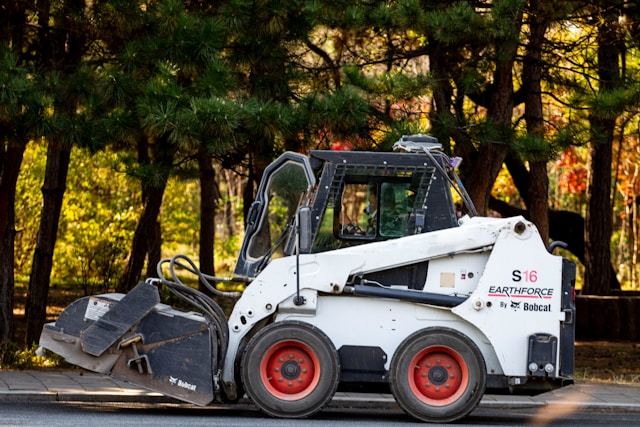
The funny part is most people end up wanting another one, again
Most people start out with a bit of trepidation when they first start renting a mini-loader. But by the end of the project, they’re usually standing there thinking “You know what? That was pretty bloody good.” The machine didn’t just save them time, it actually changed the whole experience. The job felt light, it felt fast, and it felt way more manageable. And maybe that’s the thing about mini-loader hire, most people rent one expecting to get help with their dirt, but they end up getting way more than that.