




Tattoo styles come and go, but Japanese tattooing has held onto its influence for generations. Its appeal isn’t just about bold colour or dramatic imagery. The style has a strong visual language, a deep relationship with symbolism and a way of using the body itself as part of the composition. Even people who know very little about tattoo history can often recognise the flowing movement, large-scale designs and recurring imagery associated with the tradition.
That lasting influence is part of what continues to draw people towards the work of a Japanese tattoo artist today. While modern tattooing has evolved enormously, the underlying principles of Japanese-style composition still feel remarkably current. Dragons, koi, peonies, tigers, waves and wind bars may be centuries-old motifs, but they continue to inspire contemporary artists because the style offers so much room for storytelling, movement and large-scale design.
The Composition Is Designed Around the Body
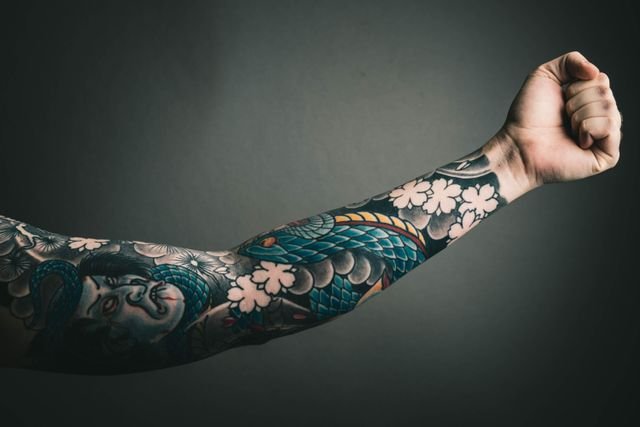
One of the most distinctive things about Japanese tattooing is the way the artwork is built to follow the body rather than simply sit on top of it. A sleeve, back piece or chest panel is usually treated as one complete composition, with individual elements connected through background patterns, movement and spacing.
That approach creates a sense of flow that can be difficult to achieve with smaller isolated tattoos. A dragon might wrap around an arm, while waves or clouds move between larger focal elements and help the design feel continuous. The tattoo changes slightly as the body moves, which gives the artwork an almost architectural quality.
This body-first approach has influenced many modern tattoo styles, even outside traditional Japanese work. Artists now think more deliberately about how a design follows muscle, joints and natural contours instead of treating the skin like a flat canvas.
Symbolism Gives the Imagery More Weight
Japanese tattooing is rich in recurring symbols, and part of the appeal comes from the meanings traditionally associated with them. Koi can represent perseverance, dragons are often linked with strength and protection, and peonies may suggest beauty, prosperity or boldness. Tigers, snakes, chrysanthemums and cherry blossoms all carry their own layers of cultural meaning as well.
That doesn’t mean every person who chooses one of these images needs to interpret it in exactly the same way. Modern tattoos are personal, and many people are drawn to the visual qualities first. Still, understanding the traditional symbolism can make the design feel more considered and can help avoid combining imagery in ways that feel random.
The strongest Japanese-inspired tattoos usually balance personal meaning with respect for the visual language they come from.
Large Pieces Create Room for Storytelling
Japanese tattooing is particularly well suited to larger work because the imagery benefits from space. A small standalone dragon can still look effective, but a full sleeve or back piece allows the artist to build a more complete scene.
Background elements become especially important at that scale. Clouds, water, wind bars, rocks and foliage help connect the main subjects and create rhythm throughout the design. Instead of looking like several separate tattoos placed beside one another, the entire area can feel like a single illustration.
This approach appeals to people who see tattooing as a long-term project rather than a collection of unrelated pieces. It also creates more opportunity for the artist to think carefully about balance, contrast and how the design will age across a large area.
Colour Has Always Been a Major Part of the Style
Traditional Japanese tattoos are often associated with strong colour, and for good reason. Deep reds, greens, blues and yellows can create striking contrast against black outlines and shaded backgrounds.
Colour is usually used deliberately rather than everywhere at once. Large black and grey sections may create depth, while brighter elements draw the eye towards flowers, animals or other important parts of the composition. That balance helps prevent complicated designs from becoming visually overwhelming.
Modern artists may also adapt the palette depending on the client. Some pieces stay almost entirely black and grey, while others use highly saturated colour. The underlying composition can still feel distinctly Japanese even when the colour choices become more contemporary.
Repetition Helps Create a Recognisable Visual Language
One reason Japanese tattooing remains so recognisable is the consistency of its visual vocabulary. Certain motifs appear again and again, but they’re rarely used in exactly the same way.
Two people might both have koi sleeves and still end up with completely different tattoos because the pose, background, colour, accompanying flowers and body placement all change the final result. Familiar imagery becomes a starting point rather than a limitation.
That balance between tradition and individuality is a major reason the style continues to evolve. Artists can work within an established structure while still creating something highly personal for each client.
The Background Is Just as Important as the Main Image
In many tattoo styles, background elements are treated as decoration. In Japanese tattooing, they often play a much more important structural role.
Waves, wind, clouds and smoke can direct the eye through the piece and connect separate focal images. They also help create depth by making some elements feel closer and others more distant. Without that background structure, a large tattoo can easily feel fragmented.
This is another principle that has influenced modern tattooing more broadly. Contemporary artists increasingly use negative space, shading and supporting elements to make large pieces feel coherent rather than simply filling every available area.
Traditional Ideas Still Leave Room for Modern Interpretation
Japanese tattooing has a strong tradition, but that doesn’t mean every modern piece needs to replicate historical work exactly. Many artists now combine traditional composition with more contemporary drawing, colour choices or subject matter.
That can create interesting results, particularly when the artist understands the original structure well enough to know which elements can be adapted without losing the style’s character. A modern interpretation may feel cleaner, darker or more graphic while still using the same principles of flow and balance.
The key difference is between thoughtful evolution and simply borrowing recognisable imagery without understanding how it works. The strongest contemporary pieces tend to come from artists who respect the tradition while still developing their own visual voice.
Planning Matters More With Large-Scale Work
A substantial Japanese-style tattoo usually requires more planning than a small standalone design. Placement, future extensions and the relationship between different sections all need to be considered from the beginning.
This is particularly important with sleeves and back pieces because adding new elements later can become difficult if the original design hasn’t left enough room. A well-planned piece should feel complete at each stage while still allowing the overall composition to develop over multiple sessions.
That slower process is part of the appeal for some people. Instead of choosing a design and finishing it in one afternoon, the tattoo becomes something that evolves over time.
Its Influence Goes Far Beyond Traditional Japanese Tattooing
You don’t need to choose a fully traditional Japanese piece to see its impact on modern tattoo culture. The emphasis on movement, large-scale composition and symbolic imagery has influenced countless contemporary artists working in other styles.
Neo-traditional tattooing, illustrative work and even some blackwork borrow ideas about flow and body placement that Japanese tattooing has used for generations. The influence is often subtle, but it’s there in the way modern artists think about sleeves, back pieces and connected compositions.
That continuing influence says a lot about the strength of the style. Trends change quickly, but good visual principles tend to last.

A Lasting Style Usually Has Strong Foundations
Japanese tattooing continues to feel relevant because it isn’t built around one passing aesthetic. Its foundations are composition, symbolism, balance and the relationship between artwork and the body, all of which remain useful principles regardless of changing trends.
Modern artists may reinterpret the imagery, simplify the palette or combine traditional ideas with completely different influences, but the underlying structure still holds up. That gives the style unusual longevity in an industry where visual trends can move quickly.
The result is a tattoo tradition that can feel historic and contemporary at the same time. Its imagery is familiar, its structure is highly adaptable and its influence continues to shape the way large-scale body art is designed today.