


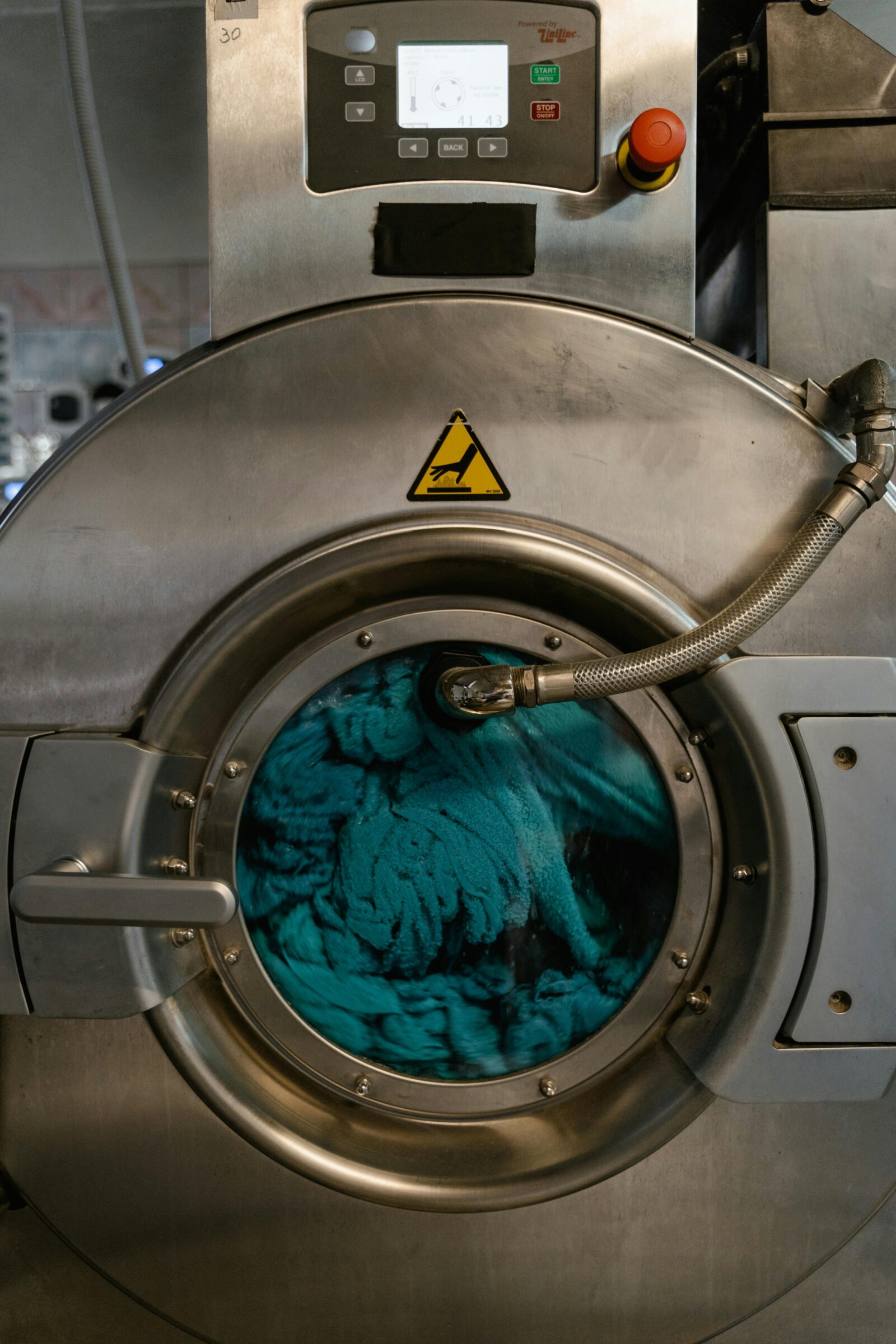
In the world of business, every detail matters. From customer service to product quality, each element plays a pivotal role in shaping your brand’s reputation and success. One often-overlooked aspect is wash equipment. You might wonder why something that seems so simple could have such a profound effect on your operations.
Imagine running a car wash or a commercial kitchen with subpar cleaning tools—frustrating, right? Poor-quality wash equipment can lead to inefficiencies, dissatisfied customers, and increased costs. On the flip side, investing in high-quality washing solutions not only enhances productivity but also elevates your overall business performance.
Let’s dive into how the choice of wash equipment impacts your bottom line and what you should consider when making this crucial investment.
The impact of poor quality wash equipment on business performance
When businesses rely on poor quality wash equipment, the effects can be detrimental. Inefficiency becomes a constant companion. Time is wasted as employees struggle with malfunctioning machines, making it essential to buy commercial laundry washers that are reliable and efficient.
Customer satisfaction takes a hit too. Dirty or inadequately washed products reflect poorly on a brand’s image. Customers may choose competitors who deliver cleaner and more reliable service.
Frequent breakdowns add unexpected costs for repairs and replacements. This financial burden can strain budgets that could otherwise support growth or innovation.
Additionally, safety risks increase with unreliable equipment. If machinery fails during operation, it puts staff at risk of injury, which could lead to costly legal issues and insurance claims.
In short, investing in subpar wash equipment can create a ripple effect that impacts various aspects of business performance from finances to reputation.
Advantages of using high-quality wash equipment
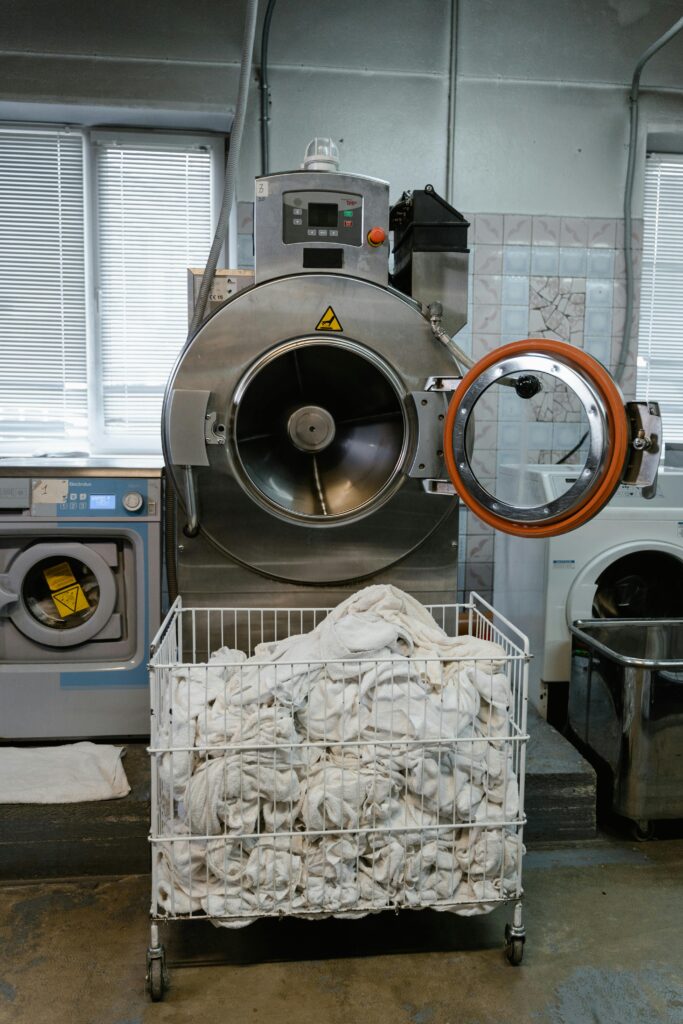
Investing in high-quality wash equipment can significantly elevate your business operations. First, it ensures superior cleaning performance, which translates to better customer satisfaction. When clients see their vehicles or equipment spotless, they are more likely to return.
Durability is another key advantage. Quality machines withstand the test of time and heavy usage. This longevity reduces replacement costs over the years.
Efficiency also plays a crucial role. High-end wash systems often use less water and energy while delivering outstanding results. This not only lowers operational expenses but also promotes eco-friendliness—a growing concern for many consumers today.
Moreover, advanced features found in premium models enhance user experience and safety for employees. Streamlined processes mean tasks are completed faster without compromising quality.
These advantages set businesses apart from competitors who settle for less effective solutions.
Factors to consider when choosing wash equipment for your business
When selecting wash equipment for your business, consider the specific needs of your operation. Different industries require different solutions. For example, a car wash will have unique demands compared to a food processing facility.
Assessing the size and scale of your operations is crucial. Larger businesses might need machines that can handle high volumes efficiently, while smaller enterprises may prioritize compact models that save space.
Durability is another key factor. Quality materials ensure longevity and reduce replacement costs over time. Look for equipment backed by warranties or positive reviews from other users.
Energy efficiency plays an important role too. Equipment designed to use less water and power not only lowers operational costs but also aligns with sustainability goals.
Think about ease of use and maintenance requirements. User-friendly designs facilitate training staff quickly, while easy upkeep ensures consistent performance without excessive downtime.
Maintenance and upkeep tips for wash equipment
Proper maintenance and upkeep are crucial for ensuring the longevity and efficiency of your wash equipment. Regular inspections can help identify any wear and tear before it becomes a bigger issue. Look out for leaks, cracks, or unusual noises during operation.
Clean your equipment after each use to prevent buildup that could hinder performance. This simple step can reduce downtime significantly. Additionally, follow the manufacturer’s guidelines for lubrication and part replacements to keep everything running smoothly.
Training staff on proper usage is also vital. They should know how to operate the machines correctly and recognize when something isn’t right. Implementing a routine maintenance schedule not only extends the life of your equipment but also contributes positively to overall business performance.
Investing time in maintaining high-quality wash equipment pays off in the long run by reducing repair costs and enhancing service quality. A well-maintained machine operates efficiently, ultimately leading to satisfied customers who return for more services.