


Why Pallets Are More Important Than Most Businesses Think
The basics have to work perfectly every day in warehouses, factories, and distribution centers for things to run smoothly. The simple platform that keeps things stable from the time they are packed until they arrive is one of the most important things that people forget about. When storage and transit work well, teams can spend less time repairing problems and more time moving goods.
A good handling system keeps work spaces neat, speeds up loading, and cuts down on damage. That’s why a lot of operations managers keep a tight eye on load limitations, forklift compatibility, and sizing that stays the same. If you don’t pay attention to these details, delays, broken things, and safety problems are far more likely to happen.
How pallets help logistics run smoothly
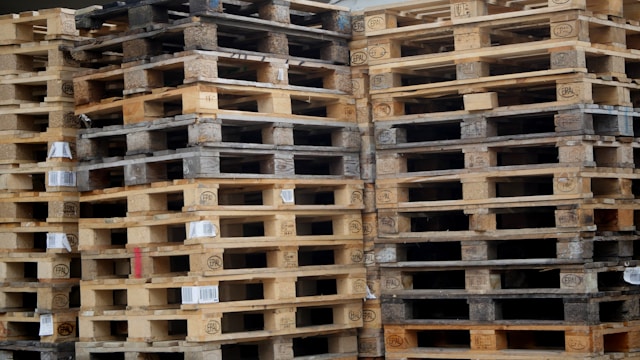
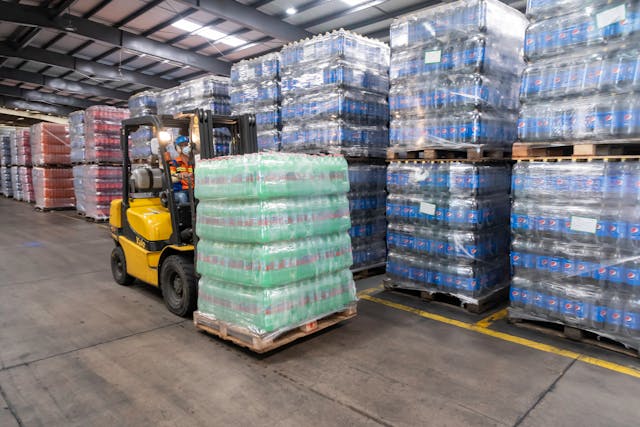
Pallets are the most important part of contemporary supply chains. The pallets keep things off the ground, stable, and easy to move. They make it easier for forklifts and pallet jacks to move enormous amounts of boxes, bags, and bulk products fast by making a flat basis for them all. This cuts down on the amount of manual work and helps teams move shipments through reception, storage, and dispatch more quickly.
Pallets also help you organise your warehouse better. It’s easier to stack, label, and rotate inventory properly when it’s housed on uniform platforms. FIFO and other techniques can help with this. That structure makes selection and packing more accurate and can make it less stressful to have floor storage that is messy and disorganised.
A reliable pallet can mean the difference between products reaching safely or with expensive damage for enterprises that ship great distances. A robust base keeps things safe from bumps, vibrations, and loads that move during shipping. Reducing damage during transit preserves both margins and brand reputation in areas where how a product looks counts, such as retail, food distribution, and consumer goods.
Choosing the Right Materials and Designs for the Job
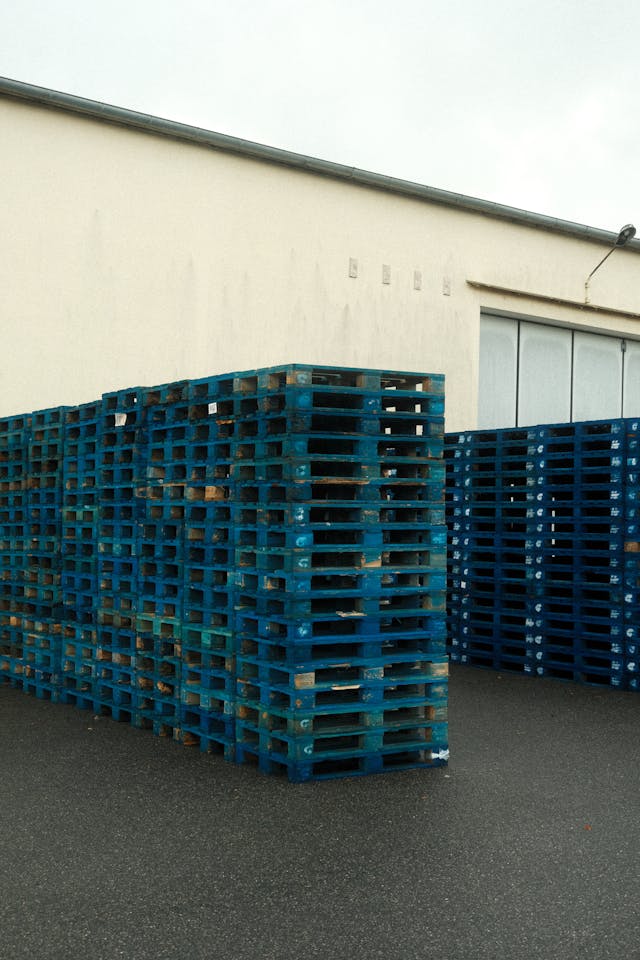
Different tasks need different kinds of pallets. People often choose timber pallets since they are robust and last a long time while still being cheap. They are easy to find, fix, and work for a lot of common warehouse and shipping purposes. Timber solutions can give your organization reliable support without raising costs too much if you often deal with mixed loads or products of different shapes.
Hardwood pallets are frequently better for heavy loads or rougher handling areas. Because they are built more densely, they can bear more stress and may last longer with regular use. Hardwood designs may be especially helpful for businesses that move industrial parts, building supplies, or heavy raw materials, even if they cost more up front.
Design is important too. Forklifts can get to loads more readily if they have two-way or four-way entrance options. The design of the stringer or block can affect how stable the pallets are and how well they work in racking systems. If your business uses automated handling equipment, it’s even more crucial to choose uniform sizes and well-made products to avoid jams and downtime.
Safety, maintenance, and keeping costs down in the long run
Pallet management is more than just buying them; it’s also about keeping your investment safe and your employees safe. Pallets that are broken, have loose nails or have compromised runners can make loads fall and hurt people at work. Regular checks help keep accidents from happening by getting rid of hazardous units before they can create problems.
Good habits also make things run more smoothly. Pallets endure longer when they are stored neatly, not overstacked, and employees are trained on how to load them correctly. Pallets stay stable and are less prone to bend or break when the weight is evenly spread out and the weight limitations are followed.
Over time, the right pallet approach cuts down on hidden costs. All of these things—fewer product losses, fewer problems, and speedier handling—add up. Businesses can make their supply chain stronger and keep things going smoothly every day by picking pallets that fit their needs and taking care of them appropriately.