




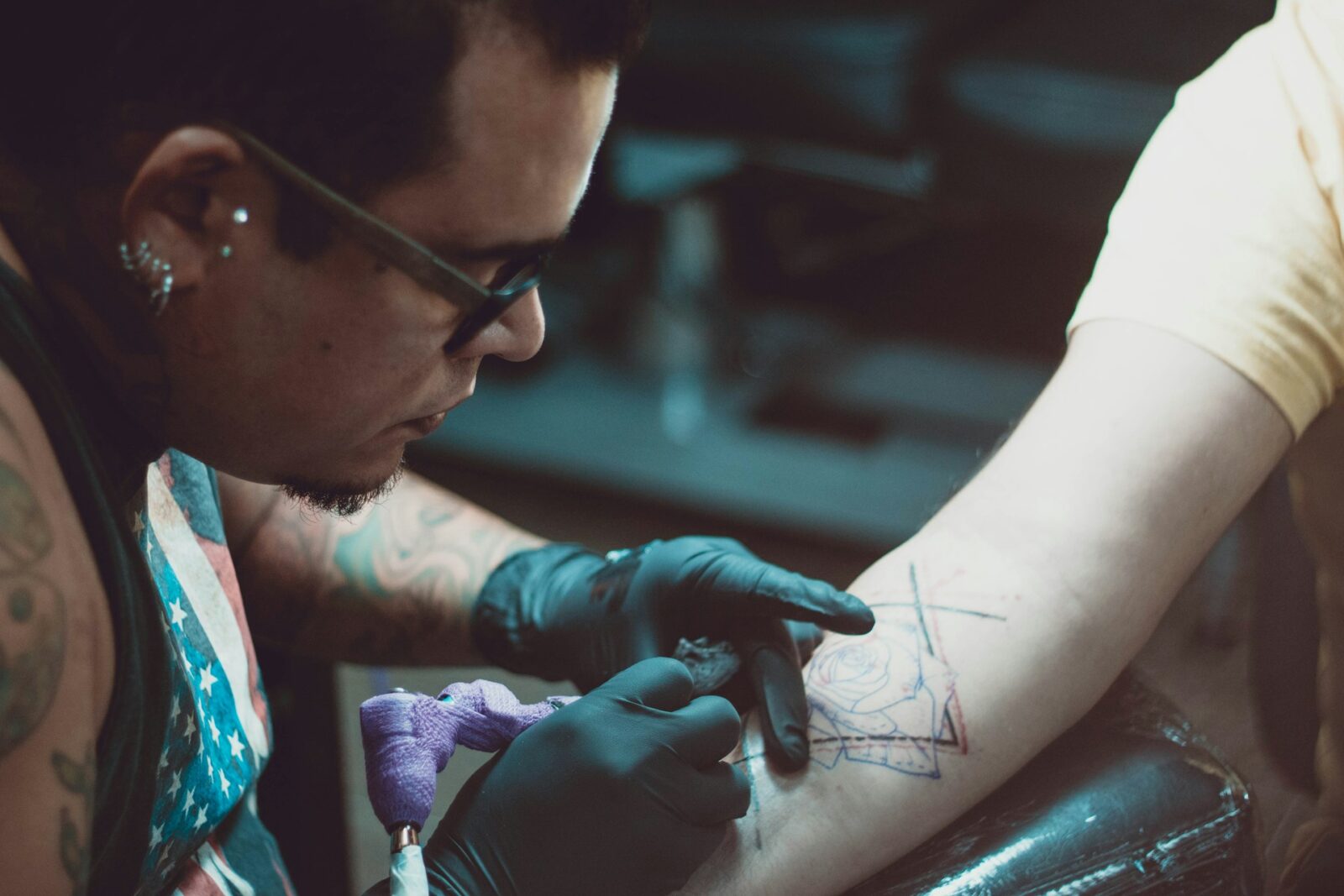
Self-expression is an aspect of a tattoo, and it is a story written on the epidermis. They can be associated with love, adventure or even with a time which was very special to us. But life is dynamic and at times such marks do not capture us anymore. Introducing tattoo removal- a relatively new and popular trend among those who want to have a new beginning.
The process of eliminating the undesired tattoos has a long road to go back to the old practices which tended to leave scars or were simply ineffective. The current innovations provide more choices than ever in the past granting people the opportunity to regain their skin with confidence.
Wonder how it all goes? We will explore the intriguing history of tattoo removal!
The history of tattoo removal
The history of tattoo removal dates back to thousands of years. Ancient Egyptians removed abrasives and acids also employing the different methods to remove unwanted ink. Such practices were primitive, though there was a wish to change.
Modification of tattoo became a popular practice among the sailors and soldiers in the Middle Ages. They frequently changed or took off the tattoos that no longer depicted their lives or identity. The methods were diverse depending on the culture.
The end of the 20 th century saw a great turn in tattoo removal due to technology. With the introduction of lasers the process has been transformed and provided more effective alternatives as opposed to the old techniques such as dermabrasions or surgical excisions.
The change in the attitude towards tattoos in society also led to the necessity of removal methods. The current processes are safer and more effective than it has ever been, serving people who want to start their new life or just to make their skins clean of past errors.

Types of tattoo removal methods
Tattoo removal has taken a very different turn and provides different ways to suit the diverse needs. Both methods have their own pros and cons.
Surgical excision is one of the popular techniques. This entails excising the tattooed skin and sewing the place up. It works well on small tattoos and contains a scar.
Another alternative is dermabrasion. In this case, the surface of the skin is flattened with the help of high-speed rotary equipment, and the ink particles are able to escape through a layer of skin. Although it can be effective with old-fashioned tattoos, the outcome can be very inconsistent.
Chemical peels involve the use of acids to dissolve ink pigments on the skin. This method is sometimes not only time-consuming but many sessions may be required to achieve meaningful outcomes and may be irritating.
Home products saying that they remove tattoos are available. Nevertheless, they are not always scientifically supported, and may not be safe and effective in achieving desired results.
Laser tattoo removal explained
Laser tattoo removal is a widely used procedure that involves the use of focused light beams to disintegrate the particles of the ink in the skin. This is specific color-oriented, and thus an effective method of multi color tattoos.
The laser is applied to the tattooed part of the body under treatment by a trained technician. The laser containing energy gets into the skin and breaks the ink into smaller particles. The size of these tiny pieces is such that with time, the immune system of your body gets rid of them.
It is usually a painful procedure that can be handled through the use of topical anesthetics or coolers during sessions. Several therapies can be necessary depending on the size of the tattoo, the complexity of the colour and individual healing rates.
Healing is associated with redness and swelling, which should fade away in days. Aftercare instructions are extremely important as your specialist may give you the best tips on how to heal and achieve the best results through this transformative process.
Risks and side effects of tattoo removal
Removal of tattoos does not pass without its risks and side effects. Knowing these will enable you to come up with an informed decision in case you have been considering the process.
Skin irritation is one of the most widespread side effects. This may be in the form of redness, swelling or itching on the part treated. Such symptoms tend to go away in a couple of days, but they are unpleasant in the meantime.
Scarring is also the other issue of concern to some people. Though this risk has been cut down to a major extent by modern techniques, it can still occur, especially through such methods as excision or dermabrasion. This is reduced by making sure that your procedure is done by a qualified professional.
Hyper pigmentation or hypopigmentation could also be seen following the tattoo removal. These disorders include alterations in the color of the skin and may take months to be fully resolved. With darker skin tones it is even more complicated because of the reaction of various pigments.
Allergies are extremely uncommon yet may occur, particularly to the residual ink after remnoval therapy. Having allergies to something is always a good idea to confer with your practitioner before going ahead.
The entire process of removing tattoos may take several sessions thus extra expenses and dedication on your side. With every session, there are possible complications that could arise and ought to be calculated before proceeding.
Knowing these risks will help you make the process of removing tattoos more effective as you will have realistic expectations of what you will expect to see in future.