



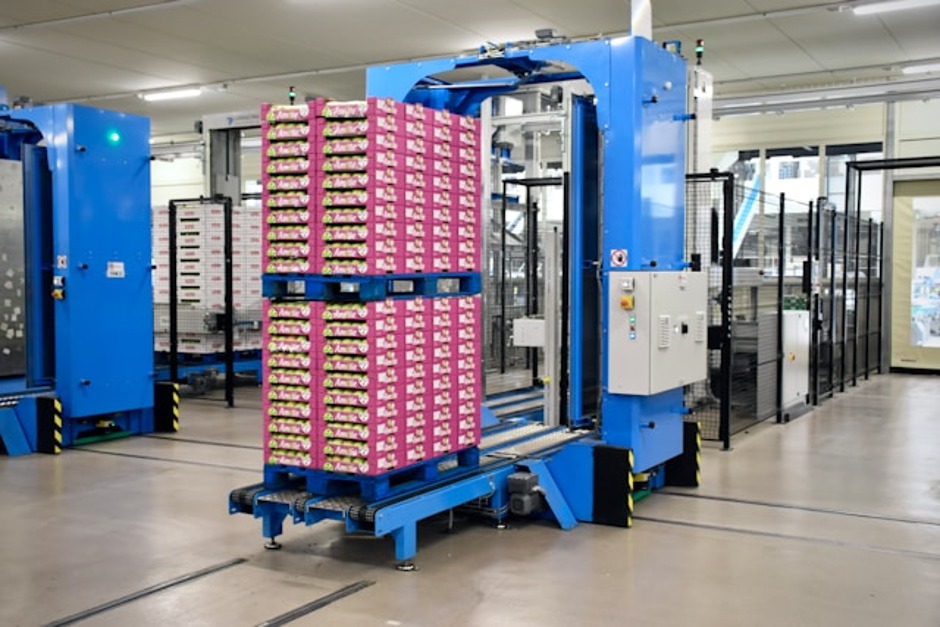
Packaging automation is now a pressing priority for a lot of Australian manufacturers, warehouses, distributors and logistics providers. They’re facing the dilemma of rising labour costs and the need to get a lot more efficient with their operations. Among the most frequently used forms of end-of-line automation is the pallet wrapping machine. It’s a bit of a godsend for securing loads consistently and reducing the need for manual labour. The business case for pallet wrapping machines is often touted as a no-brainer cost-saving exercise but in reality, the return on investment is a lot more complex and depends on a whole bunch of different factors like labour costs, stretch film consumption, damage rates, throughput volumes and workplace safety outcomes. A data-driven assessment has shown that while the upfront investment in these machines can range from tens of thousands to hundreds of thousands of dollars, they can very quickly start to pay for themselves in real operational benefits.
Labour Cost Reduction and Productivity Boosts
Labour savings are usually the biggest contributor to the return on investment in these machines. Manual pallet wrapping is a pretty physically demanding job. Workers often have to walk around loads repeatedly, which is just not good for them. Industry data shows manual wrapping averages out at around 12 pallets an hour, while a machine can get through 55 pallets in the same time. That’s a productivity boost of over 350%. For a warehouse that wraps 200 pallets a day, that can mean a few hours saved every shift. In Australia, where warehouse and logistics wages are just getting higher and higher, reducing the number of manual tasks can add up to some serious savings very quickly. Studies have shown that packaging automation projects can pay for themselves in as little as 6 months.
Stretch Film Consumption and Material Savings
Stretch film costs are often a bit of an afterthought when people are evaluating packaging costs. But it’s an expense that can really add up. Human operators can only stretch the film so far before it starts to get all sloppy and not do the job properly. Whereas a good wrapping machine can pre-stretch it between 150 and 300%, which is a big plus for material efficiency. Some research suggests that machine wrapping can save you over 60% in film costs compared with manual methods. Other stats say it’s anywhere from 40 to 50% depending on the size of the pallet, the load and the film itself.
Product Damage Reduction and Supply Chain Protection
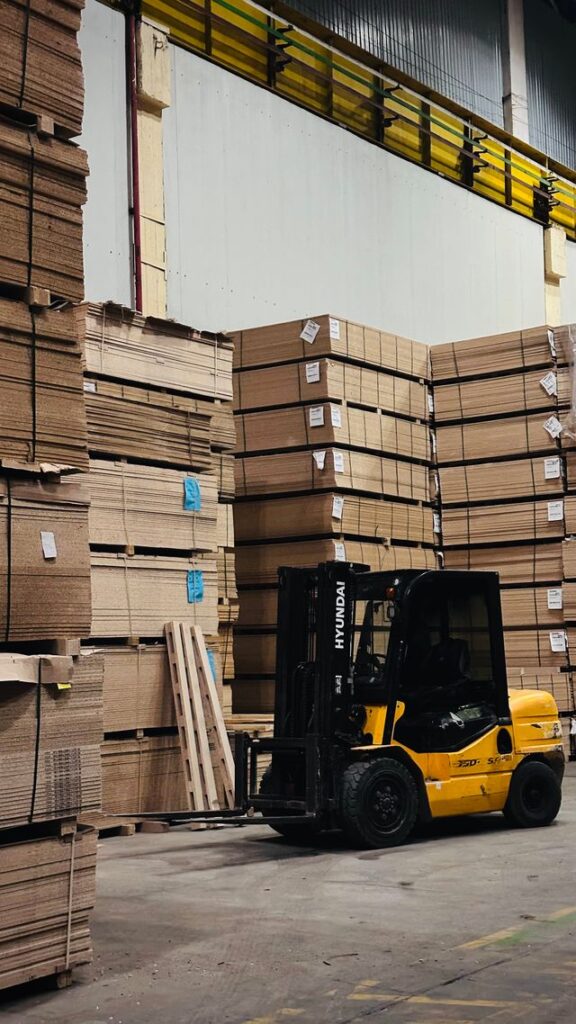
Loads are just getting tossed around and destroyed out there. That’s a major source of supply chain losses. The problem is that all those times when the wrapping tension is all over the place, you end up with products shifting around during transport. That, of course, leads to damaged goods, rejected deliveries, a whole bunch of customer complaints, and a general mess. Automated pallet wrapping systems make sure to apply the same level of containment to every one you wrap. This standardisation really helps to improve the stability of the load and cuts down on some of the variability between different operators. While the actual damage rates do vary pretty widely depending on the industry, any logistics study you care to look at will tell you that having a poor load containment system is right at the heart of a lot of transport-related product losses. This isn’t just about replacing the damaged goods either.
Workplace Safety and Injury Risk
Wrapping pallets by hand is a real recipe for disaster. We’re talking repetitive bending, twisting, reaching & walking that all add up to a big risk of injury. Anybody who’s looked into this stuff knows that manual material handling activities are a major contributor to musculoskeletal disorders, especially back, shoulder & wrist problems. Occupational safety authorities just love telling you that manual handling is the leading cause of workplace injuries in warehouse environments. There’s been plenty of research on the subject, too. They’ve even been looking at the specific task of pallet wrapping and have found that cutting down on manual wrapping is a sure-fire way to reduce the number of injuries. Of course, from a financial perspective there are even more costs beyond just the workers comp: lost productivity, temporary staffing, overtime, training & administrative overhead, all these things really add up and are going to eat into your profitability.
Equipment Costs and Payback Analysis
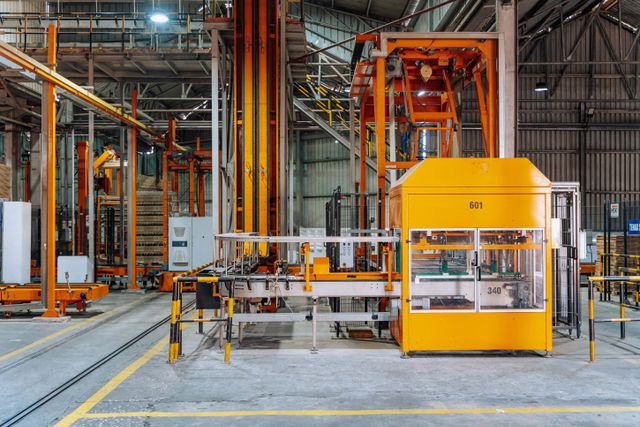
The main argument against putting in pallet wrapping automation is the upfront cost. Semiautomatic systems are going to set you back several thousand bucks, while fully automated solutions can be really expensive. But if you start crunching the numbers, you often find that it’s not as bad as it seems, especially when you factor in the savings on labour, film consumption & all those other costs that come with manual wrapping. Industry studies say that most places can get a payback period of 6-12 months for high-volume facilities and 12-18 months for medium-volume ops. For example, if you’ve got a warehouse that’s saving $20k a year on reduced labour & film consumption, it’s not going to take long to pay back a $30k investment. In fact, if you can add in an extra $5k a year in damage reduction, you’re really cooking with gas & the payback period just shrinks.