



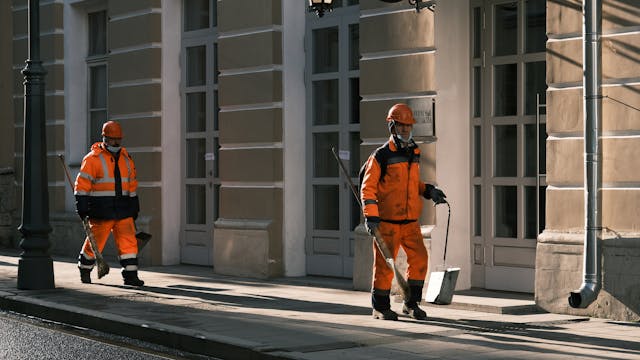
Environmental compliance has become a major headache for construction managers in Australia. Regulatory agencies are cracking down on sites that let sediment, dust and other debris get into public roads and waterways and the penalties are steeper than ever. Construction sites churn out a massive amount of loose materials like soil, concrete dust, gravel, plastic bits, timber scraps and chemical residue just waiting to get kicked into the stormwater system and create an environmental mess. At urban centres, builders often depend on services such as street sweeping Melbourne to manage sediment movement and limit environmental risks.
Construction Sites are Like Environmental Pollution Factories
Regulators say the biggest culprit behind environmental pollution from construction sites is sediment. Loose soil, aggregates and building junk just sitting around waiting to be swept up and dispersed by the elements. Thereafter, when this stuff gets into the stormwater system it ends up in rivers, creeks, wetlands and coastal areas, wreaking havoc on the ecosystem.
The EPA in Victoria says that sediment pollution can make water less oxygen-rich, block sunlight, raise water temperatures and do real damage to aquatic ecosystems. Furthermore, even a little bit of sediment can make a big difference when it’s coming from a big construction site and research shows that sediment is one of the top causes of waterway degradation in urban areas.
Sweeping is Your Friend When It Comes to Staying on the Right Side of the Law
Australian environmental laws are all about prevention these days. Under the Environment Protection Act 2017 and the General Environmental Duty framework, businesses have to take steps to minimise their environmental footprint before they even pollute. Accordingly, that means contractors need to be doing their best to keep their sites clean and their waterways sediment-free.
That’s where sweeping comes in. Specifically, it’s one of the best ways to get rid of contaminants before they even leave the site, and it helps you stay on the right side of the law. Let’s just say the EPA has been keeping a close eye on construction sites that don’t take environmental protection seriously and the penalties can be steep.
One of the Worst Environmental Offenders: Road Contamination
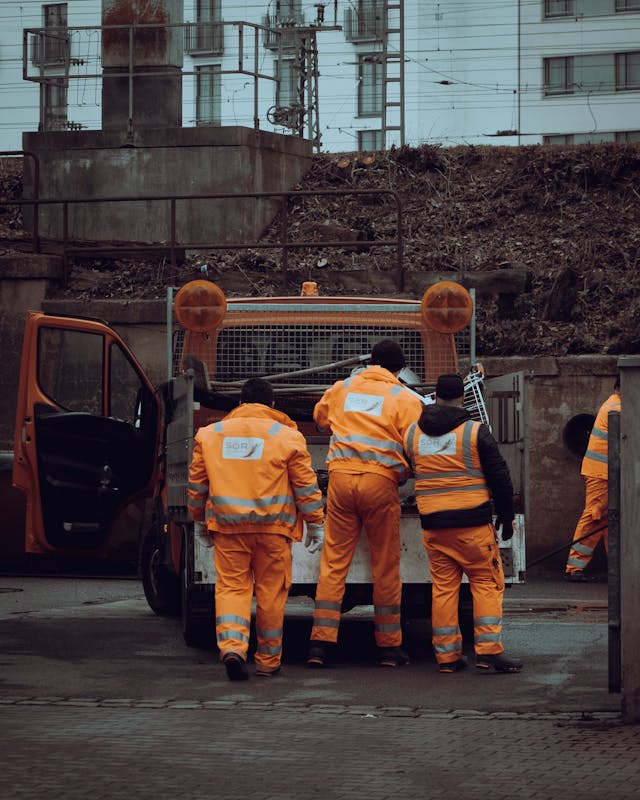
There’s one environmental issue that’s often overlooked on construction sites: dirt and debris getting onto public roads. It’s a problem that starts with heavy vehicles tracking mud and dust from the site onto the road. Subsequently, when it rains, it’s all washed into the stormwater system. The EPA says vehicle-tracked sediment is a major source of pollution in stormwater, and if you don’t keep an eye on it, you can end up with a big mess on your hands.
Dust Control is Getting Serious Enforcement from Regulators
Airborne dust is a major environmental worry that comes with construction work. All that fine stuff blowing around from digging, knocking down buildings, moving earth and vehicles can travel a pretty long way from the site.
Dust pollution is affecting everyone in the area residents, businesses, schools, and hospitals. Regulators are really starting to crack down on dust emissions because we’re seeing more and more reasons for people to worry about breathing in that stuff. Namely, lung problems and heart troubles are on the rise as a result of exposure.
Street and site sweeping are a no-brainer for getting rid of dust before it even goes airborne. Studies on city-wide dust control programs have shown that regular sweeping can make a huge difference in keeping dust off roads and footpaths.
Reducing Waste and Saving Resources is a Key Part of the Job
Construction sweeping is also helping tackle the massive waste problem in construction. In Australia, construction and demolition activities generated a whopping 26.8 million tonnes of waste between 20222023. And in New South Wales, construction and demolition waste made up a massive 57% of all waste they produced and 68% of the stuff that got recycled during the same period.
Modern sweeping programs are all about helping with waste reduction and helping to get materials back in use, rather than chucking them in the tip. Likewise, by separating out the reusable stuff from the general waste, we can turn aggregates, soil and some construction materials into new products that get reused instead of sent to landfill.
This is all part of the push towards Australia’s circular economy and will help developers meet their sustainability targets, whether it’s a new infrastructure project or a big commercial building. Additionally, reducing waste means less money spent on waste management which is only getting more expensive in Australia as environmental levies and waste disposal charges keep going up.
Going Green is Going to Mean More Paperwork
Environmental enforcement is going to mean more monitoring, reporting and being held accountable. In Victoria, the EPA has been cracking down on pollution and waste dumping, and they’ve written a lot of cheques to organisations that didn’t play by the rules.
Regulators are getting more and more keen on seeing proof that you’re taking environmental risks seriously. In practice, that means keeping track of sweeping schedules, maintenance records, inspections and even waste tracking. You can’t just say you’re doing it. Instead, you need to be able to show you’re doing it.
Big infrastructure projects now include sweeping in their environmental management plans because they know that if the site is looking clean, they’re probably doing the right thing. Ultimately, if you’re keeping the roads clear and managing sediment properly, you’re less likely to attract attention from regulators or the community.